Autonomie énergétique. Ça vous parle ?
Blog-energie.info est le blog de l’énergie indépendant qui vous aide à atteindre l'autonomie énergétique, à économiser l'énergie et à passer au renouvelable.
L'autonomie énergétique grâce aux énergies rénouvelables
La création d’une maison autonome en énergie intéresse de plus en plus de particuliers. Conviction écologique, volonté de faire des économies ou encore d’utiliser des énergies renouvelables, les raisons peuvent être multiples. En rejetant moins de CO2 dans l’atmosphère, les énergies renouvelables sont une façon plus propre pour produire de l’électricité. Parmi les énergies renouvelables utilisées pour rendre une maison autonome en énergie, il faut mentionner l’éolienne, l’hydrolienne, l’aérothermie, l’énergie solaire, la géothermie et la biomasse. Grâce aux avancées technologiques en la matière, il est désormais possible de se chauffer en toute autonomie. On peut aussi produire sa propre électricité grâce à l’eau, au vent ou encore au soleil. Pour ceux qui se demandent comment faire des économies d’énergie, il existe par ailleurs des gestes simples à mettre en place au quotidien.
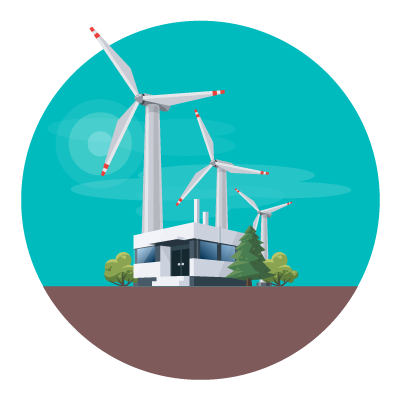
L'éolienne pour utiliser l'énergie du vent
L’éolienne domestique fonctionne comme les éoliennes que vous avez l’habitude de voir à la campagne. Les hélices sont actionnées par la force du vent. L’énergie cinétique est ensuite transformée en énergie mécanique, puis en électricité. Dans le cadre d’une construction d’une maison autonome en énergie, cette solution est privilégiée dans les régions où on constate un vent fort et régulier. L’éolienne domestique peut aussi être utilisée comme solution d’appoint, pour produire une partie de l’électricité d’un foyer, et réduire le montant de la facture d’électricité.
L'aérothermie
L’aérothermie produit de la chaleur dans l’air extérieur en utilisant une pompe à chaleur air-air ou pompe à chaleur air-eau. Ces deux systèmes sont un des plus accessibles et performants dans le marché du renouvelable et permettent d’assurer l’autonomie énergétique de la maison en matière de chauffage pour un foyer de 4 personnes. Elles ont aussi la capacité d’inverser leur fonctionnement en distribuant de l’air frais pendant les périodes des fortes chaleurs.
L’hydrolienne et l’utilisation de la force de l’eau
L’hydrolienne domestique est une alternative souvent utilisée dans les maisons écologiques. Son fonctionnement est basé sur l’énergie cinétique des hélices récupérée par la force de l’eau qui est ensuite transformée en électricité. L’énergie électrique est conservée dans des batteries qui servent à l’envoyer dans le réseau domestique. Contrairement aux idées reçues, seuls 80 cm d’eau et du courant peuvent suffire à utiliser cette source d’électricité. L’hydrolienne peut être une bonne solution pour les maisons qui ne peuvent pas être raccordées aux réseaux publics de distribution d’électricité, comme les maisons isolées géographiquement. L’autonomie en énergie peut donc être atteinte assez facilement grâce à cette solution.
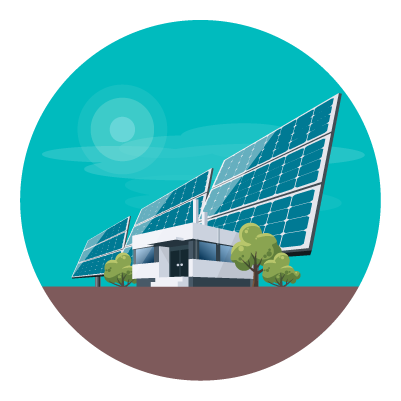
L’énergie solaire pour produire de l’électricité
Indétrônable en France, l’énergie solaire reste la plus souvent privilégiée par ceux qui souhaitent utiliser des énergies renouvelables. L’énergie solaire fait partie de ce qu’on appelle le « chauffage du futur » avec une ressource facile à capter et qui permet de faire des économies sur les factures d’énergies. Un des avantages de cette solution, c’est qu’elle est éligible aux aides financières comme MaPrimeRénov’. Les panneaux solaires peuvent être utilisés pour produire de l’électricité, de l’eau chaude, et même pour alimenter un système de chauffage. N’oublions le détail plus important sur l’impact écologique et la réduction des émissions de gaz à effet de serre.
Comment chauffer une maison autonome ?
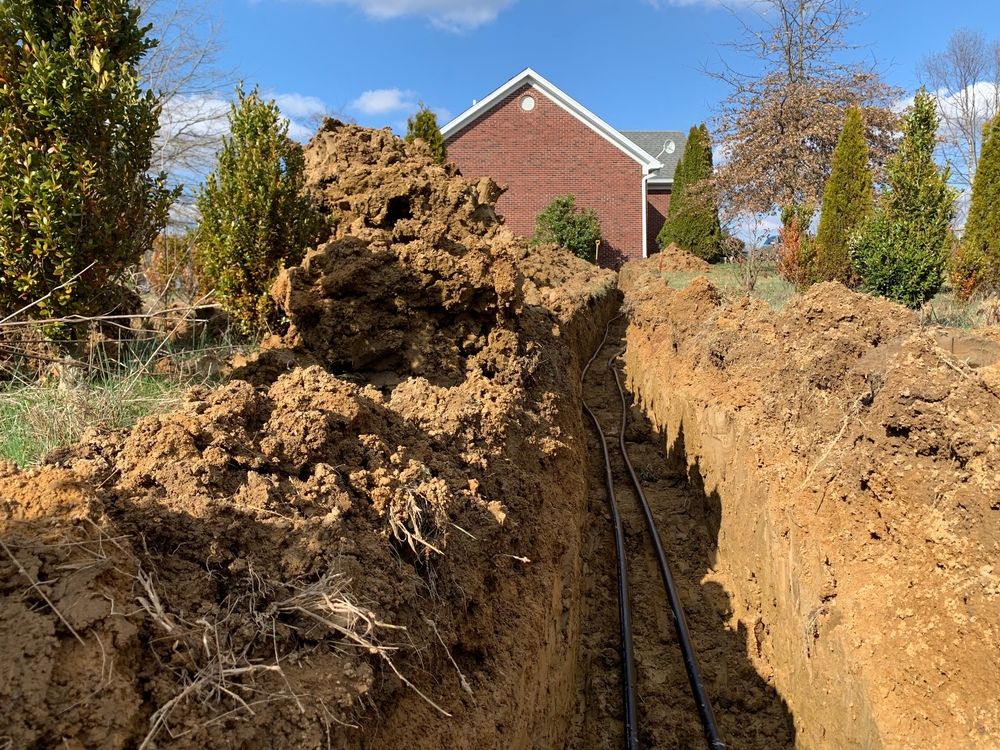
La géothermie comme chauffage
En matière d’énergie, la géothermie désigne la chaleur présente naturellement dans le sol, sous forme d’extraction des calories. Pour ceux qui se demandent comment utiliser la géothermie dans une maison autonome, il existe le système de pompe à chaleur. La PAC géothermique, un des équipements de chauffage renouvelables les plus fiables, vient puiser les calories du sol grâce à un système de capteurs installé directement dans le sol. Ces dernières sont ensuite transportées grâce à un liquide caloporteur. La géothermie peut permettre de fournir du chauffage à une habitation et l’avantage est qu’elle ne se voit pas. Son réseau souterrain ne nécessite pas d’unité d’extraction extérieure. On peut aussi l’utiliser pour obtenir de l’eau chaude sanitaire. Cette énergie renouvelable dispose d’un rendement de 400 %. Cela signifie qu’avec un seul kWh d’électricité, il est possible d’obtenir 4 kWh d’énergie utile pour l’habitation. Une PAC géothermique permet de diviser la facture énergétique du ménage par 3 ou 4 grâce aux considérables économies d’énergie qu’elle fait. Son prix peut varier entre 12 000 à 15 000 €, mais avec les aides financières disponibles à l’installation, il est possible de réduire le coût jusqu’à 10 000 €, pour les ménages modestes.
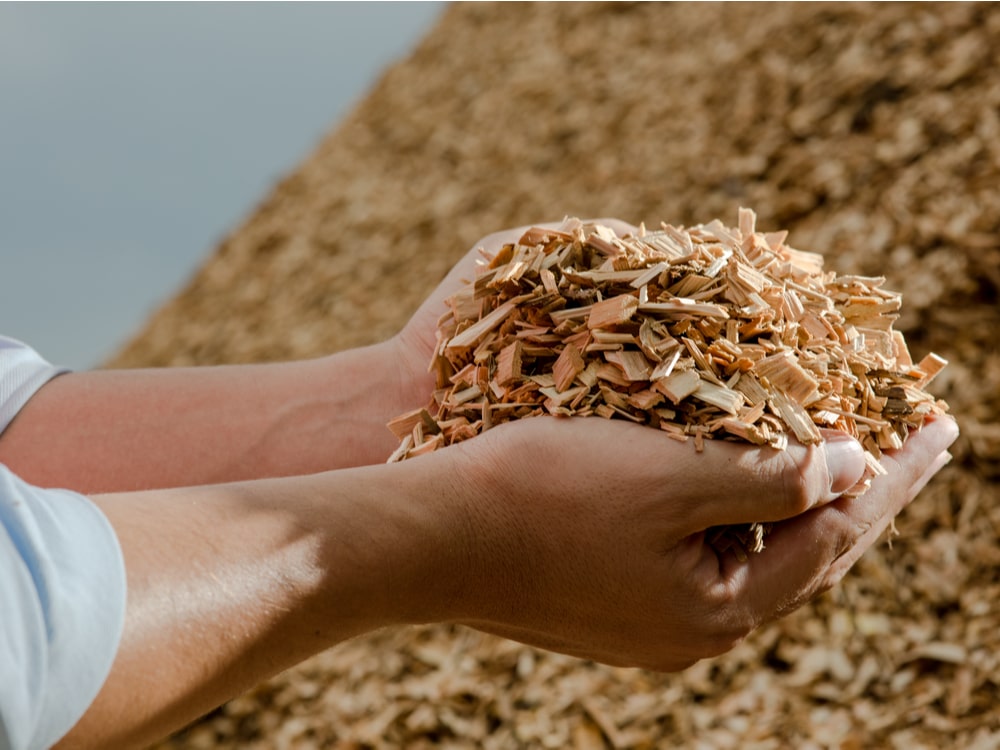
La biomasse pour se chauffer
La biomasse peut être définie comme l’ensemble des matières vivantes subsistant en équilibre sur terre. Il est possible d’utiliser la biomasse à la maison, pour se chauffer. C’est notamment le cas pour tous ceux qui choisissent le poêle à bois comme solution de chauffage. Présenté sous forme de bûches ou de granulés, ceux-ci sont constitués de chutes de bois recyclées, et disposent d’un meilleur rendement puisqu’ils retiennent encore moins l’humidité que les traditionnelles bûches de bois le bois. Le bois qui provient de forêts gérées d’une manière durable, fait que la biomasse est considérée une énergie renouvelable. Le bilan carbone du bois est neutre parce que pendant sa durée de vie, il absorbe autant de CO2 qu’il n’en rejette durant la combustion. Afin d’atteindre une autonomie énergétique, il est possible de chauffer une maison à moindre impact pour la planète avec la biomasse. Pour les personnes qui se chauffent à l’électrique, le chauffage représente plus de 65 % de la consommation totale. En choisissant de se chauffer grâce au bois, ou à d’autres types de biomasse, il est possible de réduire considérablement sa consommation d’énergie. En plus d’un geste pour la planète, on fait donc aussi baisser sa facture. Pour se chauffer, on utilise la biomasse sous la forme d’un chauffage d’appoint avec le poêle à bois ou d’un chauffage central, comme la chaudière à granulés. Le précédent offre les meilleures performances et est l’un des plus indemnisés par l’État.
Comment faire des économies d’énergie ?
Les travaux de rénovation énergétique
Pour faire des économies d’énergie, dans une maison autonome ou dans n’importe quel type de maison, les travaux de rénovation sont incontournables, surtout dans les logements anciens. Par exemple, bénéficier d’une bonne isolation permet d’optimiser sa consommation d’énergie. En effet, lorsqu’un logement est sujet à des déperditions de chaleur importantes, il faudra chauffer davantage pour obtenir une température confortable. L’installation d’un système de chauffage économe peut aussi faire partie des travaux de rénovation énergétique idéals pour faire des économies. Si vous souhaitez vous lancer, vous pouvez par exemple :
- Isoler les murs, les sols ou encore la toiture
- Changer de système de chauffage et/ou de chauffe-eau
- Remplacer des menuiseries vétustes pour bénéficier d'une meilleure isolation
La réalisation d’un bilan thermique ou d’un DPE peut vous permettre de cerner les travaux que nécessite votre habitation. L’appel à un professionnel certifié RGE reste indispensable, pour vous assurer de miser sur les bonnes actions pour faire des économies d’énergie.
Les gestes pour faire des économies d’énergie
Certains gestes du quotidien peuvent à eux seuls vous permettre de faire des économies d’énergie et obtenir une maison autonome. Si vous souhaitez vous lancer, vous pouvez commencer par :
- Changer vos ampoules classiques contre des ampoules à économie d'énergie
- Utiliser des rideaux thermiques, pour éviter les déperditions au niveau des fenêtres
- Aérer le logement tous les jours pour bénéficier d'un renouvellement d'air suffisant
- Pendant la période hivernale, allumer les chauffages en permanence, même à faible intensité, pour éviter les phénomènes de surconsommation
- Penser à éteindre les lumières, pour limiter la consommation d'électricité
- Choisir vos appareils électroménagers en fonction de leur étiquette énergie
- Éviter de laisser les téléviseurs et autres appareils en mode veille, et privilégier une extinction totale